Shopify Returns Management: The Complete Guide
Everything Shopify merchants need to run returns well — policy, automated workflows, customer experience, logistics, analytics, and loss prevention…
Hylke Reitsma is co-founder of Forthsuite and a supply chain specialist with 8+ years of hands-on experience at Shell, Verisure, and Stryker. He holds an MSc in Supply Chain Management from the University of Groningen and writes practical guides to help e-commerce teams run leaner, faster supply chains. Selected by Replit as 1 of 20 founders for the inaugural Race to Revenue Cohort #1 (2026) and certified as a Replit Platform Builder.
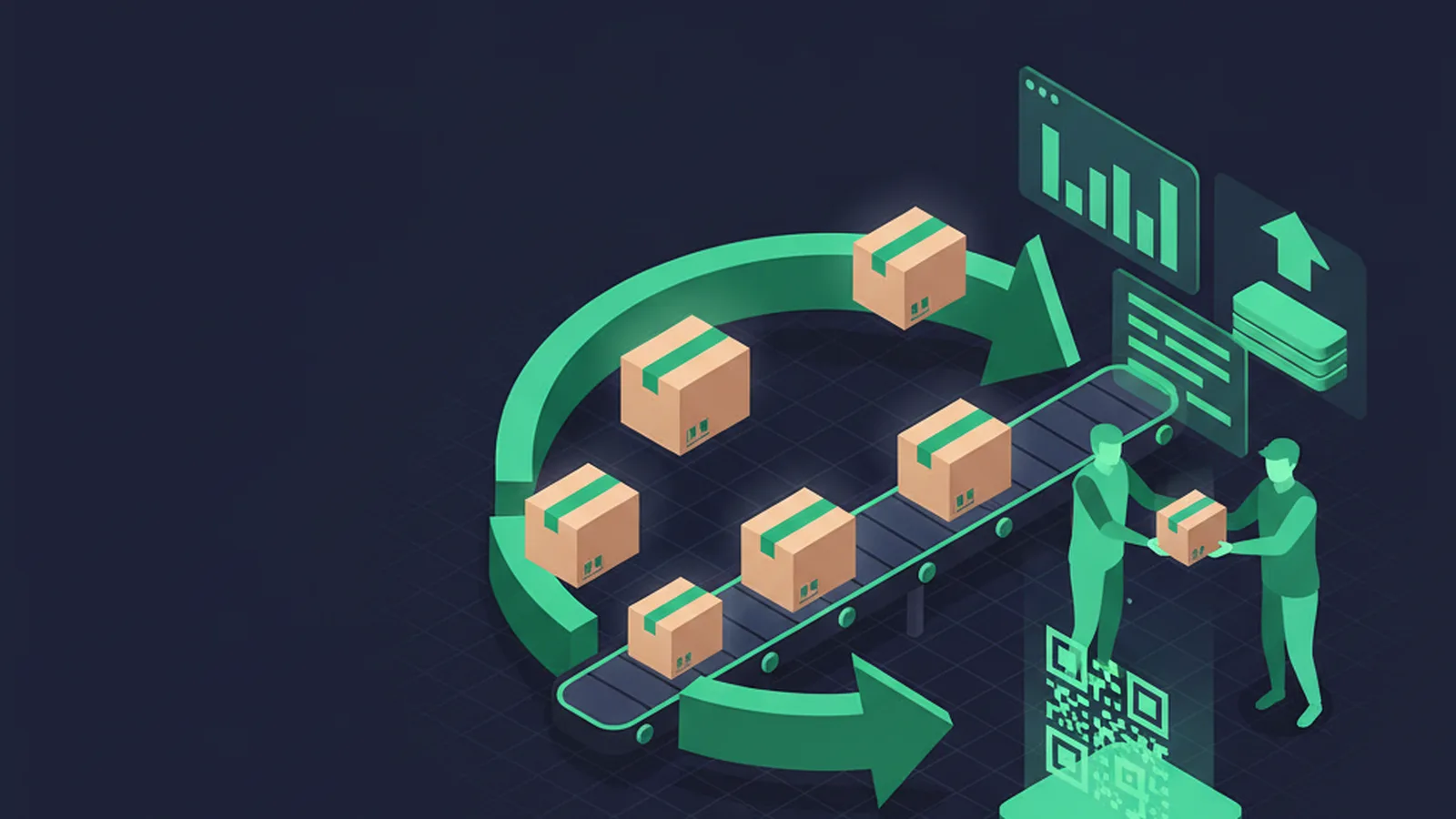
TL;DR: How to handle returns on Shopify comes down to one idea: returns shape customer loyalty, margin, and inventory planning at the same time, so they are best handled as one system — policy, processing, and restocking — rather than as separate chores. This hub links to a focused guide on each part of Shopify returns management; start wherever your biggest gap is.
Last updated: July 2026
Returns are one of the highest-leverage parts of a Shopify operation: they shape customer loyalty, eat into margin, and ripple straight back into inventory planning. Handled well, a return is a chance to keep a customer; handled badly, it's a refund, a lost sale, and a stranded unit.
This hub pulls the whole topic together. Each section below links to a focused guide on a specific part of returns management for Shopify merchants — start wherever your biggest gap is.
Start with a returns policy that sets expectations
Your returns policy is the contract customers read before they buy and the rulebook your team applies after. Get the terms, windows, and fee structure right before you automate anything.
- Shopify Return Policy Template
- Refund vs Exchange on Shopify
- Store Credit vs Refund on Shopify
- Restocking Fees on Shopify
- Returnless Refunds on Shopify
Build efficient returns workflows
Once the policy is set, the goal is to resolve each return with as little manual handling as possible — clear RMA stages, rules that auto-approve the easy cases, and consistent reason data you can act on.
- Shopify RMA Workflows: 7-Stage Best Practices
- Auto-Approving Returns on Shopify
- Categorizing Shopify Return Reasons
- Exchange-First Returns on Shopify
Make the returns experience effortless for customers
A smooth return is a retention moment. These cover the self-service portal touches, drop-off options, and the scripts your support team uses when a shopper needs help.
- Printerless Returns on Shopify
- Shopify Returns CS Scripts
- In-Store Returns for Shopify Online Orders
- BORIS: Buy Online, Return In-Store
- Return Bars vs Carrier Pickup
Handle the logistics behind every return
Returns don't end at the approval — the item still has to get back, be inspected, and re-enter (or exit) inventory, and cross-border adds its own rules.
Measure returns and connect them to the rest of the business
What you can measure, you can manage. Track the right return metrics, benchmark your rate, model the ROI of your policy, and feed returns back into inventory planning.
- Shopify Returns Analytics
- Ecommerce Return Rate Benchmarks 2026
- Free Returns ROI Calculator
- Returns Impact on Inventory Forecasting
- Shopify Returns App Pricing Models
Reduce risk, cost, and waste
The last layer is loss prevention and resilience — catching abuse, lowering the environmental cost of returns, and staying calm when peak season spikes the volume.
Switching returns tools
If you're moving from another returns app, plan the migration so policies, rules, and history come across cleanly.
Where Forthroute fits
Forthroute is a Shopify-native returns app that brings the pieces in this hub into one workflow — a branded returns portal, rules that auto-approve eligible requests, exchange options, printerless and in-store options, and returns analytics — so your team spends less time on manual approvals and more time on the exceptions that actually need a human.
Frequently asked questions
What is Shopify returns management?
Shopify returns management is the end-to-end process of handling a customer's request to send an item back — from the returns policy and the self-service portal, through approval and RMA workflows, to the physical logistics of getting the item back and the refund, exchange, or store credit that resolves it. Done well, it protects margin, keeps customers, and feeds accurate data back into inventory.
How do I set up a returns process on Shopify?
Work in layers: first write a clear returns policy (windows, eligible items, fees), then build the workflow that approves and routes each request, make the customer-facing experience self-service, sort out the return logistics, and finally measure the results. Each layer has a dedicated guide linked above.
What's the difference between a refund, an exchange, and store credit?
A refund returns the customer's money, an exchange swaps the item for another (ideally without a second checkout), and store credit keeps the value on your store. Each affects retention and margin differently; the refund-vs-exchange and store-credit-vs-refund guides above break down when each one wins.
How can I reduce my return rate?
Most preventable returns trace back to expectation gaps — accurate product detail, sizing guidance, and honest imagery do the most. Beyond that, categorize return reasons so you can fix the root causes, and add fraud detection for the abuse cases. The benchmarks and fraud-detection guides above go deeper.
Does Forthroute handle returns for Shopify?
Yes. Forthroute is a Shopify-native returns app that powers the returns portal, automated approvals, exchanges, printerless labels, in-store and cross-border returns, and returns analytics — the capabilities covered across this hub.
Further reading
About the Author

Hylke Reitsma is co-founder of Forthsuite and a supply chain specialist with 8+ years of hands-on experience at Shell, Verisure, and Stryker. He holds an MSc in Supply Chain Management from the University of Groningen and writes practical guides to help e-commerce teams run leaner, faster supply chains. Selected by Replit as 1 of 20 founders for the inaugural Race to Revenue Cohort #1 (2026) and certified as a Replit Platform Builder.
LinkedIn