The Psychology of Why We Return So Much Stuff
We return more stuff than any generation in history, and it's rarely because the product was bad. It's because of how online shopping quietly rewired the way…
Hylke Reitsma is co-founder of Forthsuite and a supply chain specialist with 8+ years of hands-on experience at Shell, Verisure, and Stryker. He holds an MSc in Supply Chain Management from the University of Groningen and writes practical guides to help e-commerce teams run leaner, faster supply chains. Selected by Replit as 1 of 20 founders for the inaugural Race to Revenue Cohort #1 (2026) and certified as a Replit Platform Builder.
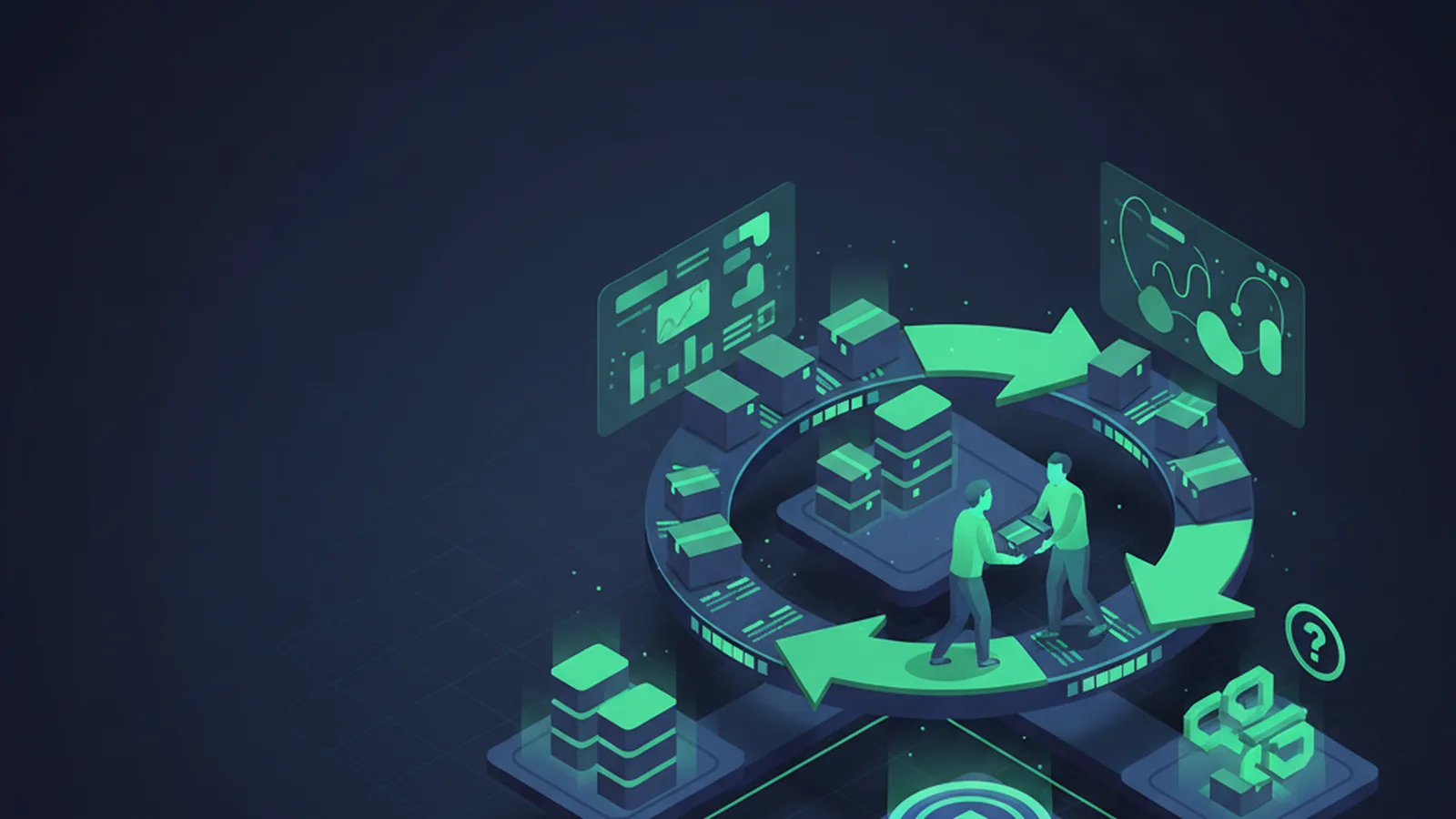
TL;DR: Online return rates run higher than in physical stores, and the cause is mostly not product quality. In a shop you decide at the shelf; online the decision moves to your hallway after the parcel arrives, which is what drives over-buying and size bracketing. Forthroute gives Shopify merchants a branded returns portal with merchant-controlled approvals, refunds and exchange incentives, plus optional prepaid labels.
Last updated: July 2026
We send back an astonishing amount of what we buy online, and return rates run higher than in physical stores. It's easy to assume that means the products are worse. They usually aren't. The real reason we return so much has very little to do with the products and almost everything to do with how online shopping quietly rewired the way we decide.
Here's the psychology behind the return — most of which we do without ever noticing we're doing it.
We moved the "decision" from the store to the sofa
In a physical store, you decide before you buy. You try it on, you hold it, you commit, you pay.
The decision happens at the shelf.
Online, that whole sequence flips. You can't try anything on, so buying stops being the decision — it becomes a way to start the decision. The real choosing happens later, at home, with the box open. "Add to cart" has quietly turned into "let me bring this home and decide there." And a decision made at home, after the money's already moved, is one where sending it back is the natural second half — not a failure.
Bracketing: ordering the answer instead of choosing it
The clearest example is bracketing — ordering the same thing in two or three sizes (or colors) fully intending to keep one and return the rest. It isn't indecision; it's a rational response to uncertainty.
If you can't tell which size fits, ordering the range and returning the losers is just... efficient. Free returns didn't only permit this behavior; they actively taught us to do it.
Once bracketing feels normal, return volume isn't a glitch in the system. It's the system working exactly as we were trained to use it.
The thrill is in the buying, not the keeping
There's a familiar quirk in how we shop: a lot of the pleasure is in the anticipation — the click, the confirmation, the package on the doorstep — not in the owning. By the time the box arrives, the dopamine has already been spent.
The item now has to justify itself against a feeling that's already faded, and a fair amount of the time it doesn't quite measure up. So back it goes.
We're not really returning a defective product. We're returning the gap between the version we imagined and the one that showed up.
Friction-free returns removed the last hesitation
Behavior follows friction. When returning something meant printing a label, repackaging it, and standing in line, the small hassle quietly talked us out of a lot of returns.
We kept things we were lukewarm about simply because sending them back was annoying.
Strip that friction away — free labels, drop-off everywhere, instant refunds — and the last little brake comes off. Easy returns don't just handle more returns; they create more, by removing the mild inconvenience that used to make us settle.
Why none of this makes us "bad" shoppers
It's tempting to read all this as people abusing the system. Mostly, we're not.
We're responding rationally to an environment that made buying frictionless, trying-on impossible, and returning effortless. Given those three things, high return rates aren't a moral failing — they're the predictable math of human behavior meeting a system designed to remove every hesitation.
Which is also why the answer was never "shame the shopper." The returns aren't going away, because the psychology isn't going away. The stores that handle this well don't fight human nature — they design for it: better size guidance so the imagined version matches the real one, easy exchanges instead of refunds so the relationship survives, and smart handling of the returns that do come back.
That's the unglamorous problem Forthroute works on — helping merchants meet the very human reality of returns gracefully, instead of pretending shoppers will suddenly start deciding at the shelf again.
So the next time you order two sizes "just in case," or send something back because it just wasn't quite it — you're not being difficult. You're being a completely normal human in a system built, deliberately, to let you change your mind.
About the Author

Hylke Reitsma is co-founder of Forthsuite and a supply chain specialist with 8+ years of hands-on experience at Shell, Verisure, and Stryker. He holds an MSc in Supply Chain Management from the University of Groningen and writes practical guides to help e-commerce teams run leaner, faster supply chains. Selected by Replit as 1 of 20 founders for the inaugural Race to Revenue Cohort #1 (2026) and certified as a Replit Platform Builder.
LinkedIn